





























































































































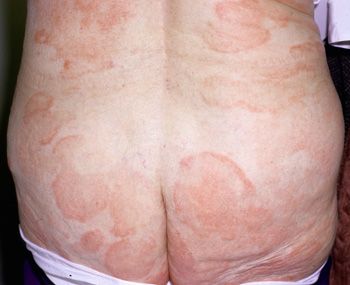
A 66-year-old woman had a mildly pruritic rash on the buttocks, lower back, abdomen, and upper posterior thighs. The eruption had been present for approximately 18 months. Your diagnosis?
A 66-year-old woman had a mildly pruritic rash on the buttocks, lower back, abdomen, and upper posterior thighs. The eruption had been present for approximately 18 months. Your diagnosis?
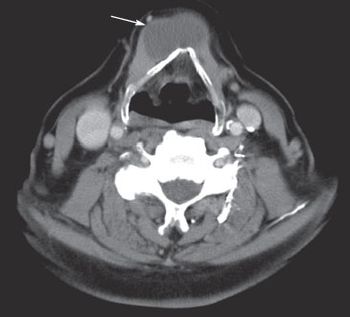
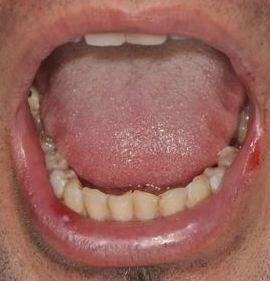
Thyroglossal duct cyst; HCV-HIV coinfection; slurred speech and trouble swallowing and chewing . . . see how well you do on the quiz questions this week.
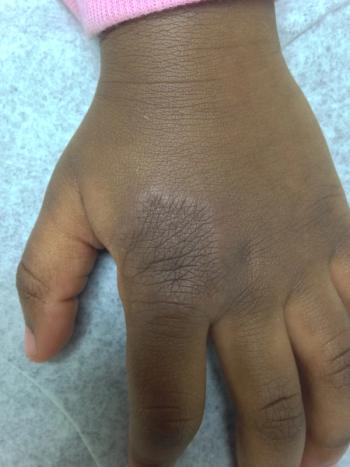
This relatively uncommon inflammatory dermal process has previously been associated with diabetes mellitus and more recently with hyperlipidemia.
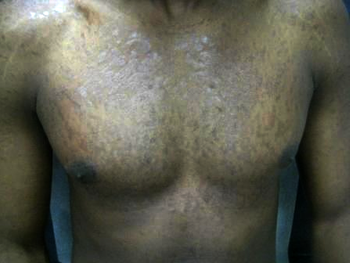
Allergic contact dermatitis, drug-induced hypersensitivity syndrome, Stevens-Johnson syndrome, metastases to the skin, tinea versicolor, lichen spinulosus-a look at cutaneous conditions and their underlying causes.
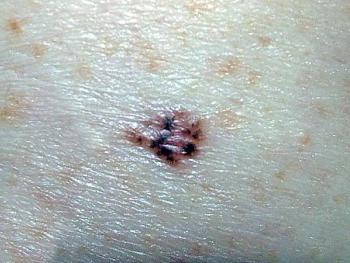
This relatively small (1 cm), pigmented nodule of uncertain duration was noticed on the left arm of a 57-year-old man with a history of skin cancer. What do you suspect here?
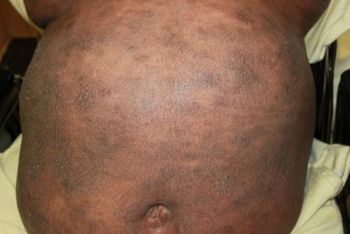
Mycosis fungoides; circumscribed erythematous lesions in a toddler; large abdominal ecchymotic mass . . . some of the challenges for you in this quiz.
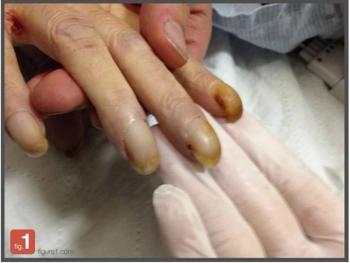
Nail clubbing may occur with many conditions. In these two patients, it heralded lung cancer.
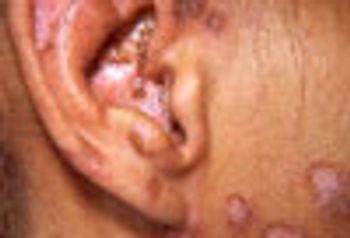
A 23-year-old African American woman had variably shaped areas of atrophy and hypopigmentation on the face and ear. Your diagnosis?
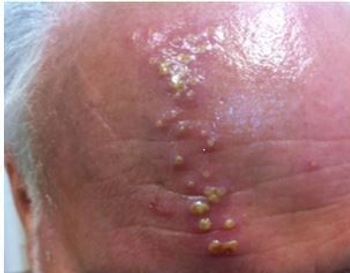
Fluid-filled blisters; necrobiosis lipoidica; gestational diabetes mellitus . . . Test your knowledge on these and other subjects in this quiz.
Fact check on this common disorder…
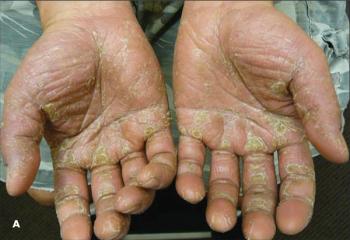
How much do you know about erythema annulare centrifugum?
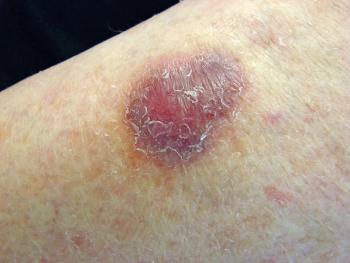
A 67-year-old woman noted the appearance of several non-tender, rock-hard, purple-colored nodules on her legs. Her medical history was significant for distant non-Hodgkin lymphoma. The violaceous color and configuration of the skin lesions suggests which of the following?
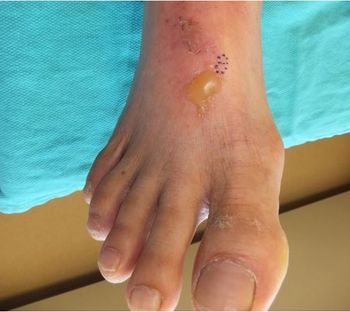
Allergic contact dermatitis is common, can be debilitating for patients, and may mimic other dermatoses.
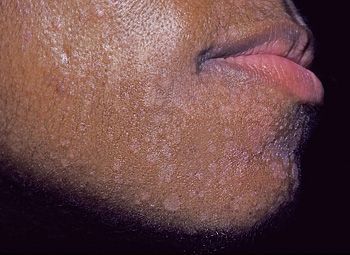
Scaling erythema; Epstein-Barr virus infection; one blue, one brown iris . . . test yourself with this 5-question quiz.
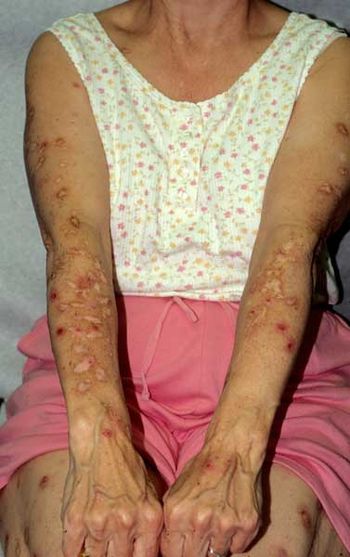
A 56-year-old woman presents with pruritic skin lesions on the arms and legs. What does this pattern suggest?
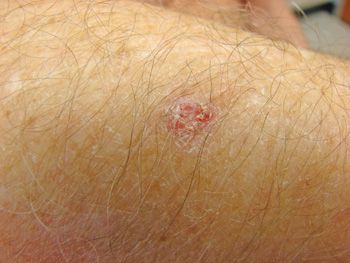
A new tender lesion in a man with T2 diabetes; hypertension and gout; TMJ osteochondroma . . . your answers to questions on these and other maladies?
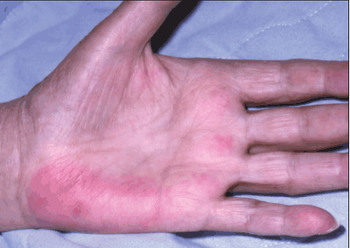
Pseudosac with ectopic pregnancy, palmar erythema, pemphigoid gestationis, abdominal wall hematoma, dermatomyositis, livedo reticularis-visual presentations of health problems that occur frequently, or exclusively, in women.
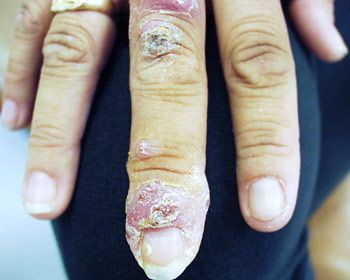
A 45-year-old woman had painless, red, crusted papules on the hand. There was no history of trauma. The patient had a home aquarium. Your diagnosis?
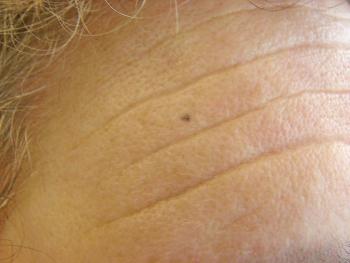
A new dark spot on the forehead; overprescribing of benzodiazepines; alcohol and atrial fibrillation . . . can you answer the quiz questions on these topics?
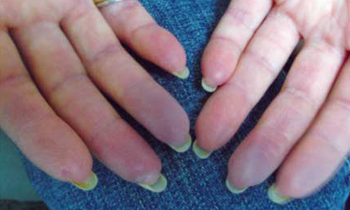
Polycystic ovary syndrome, “dermatoses of pregnancy,” systemic sclerosis, subacute cutaneous lupus erythematosus, gallbladder agenesis, sarcoidosis-a close look at medical problems seen frequently in women.
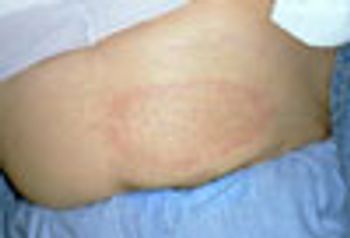
A 46-year-old woman presented with the new onset of a slightly stinging and burning, expanding patch on the upper abdominal skin. Your diagnosis?

Fewer than two-thirds of men know the signs of skin cancer and the younger they are the less likely they are to believe they are at risk for the disease, according to a national survey.
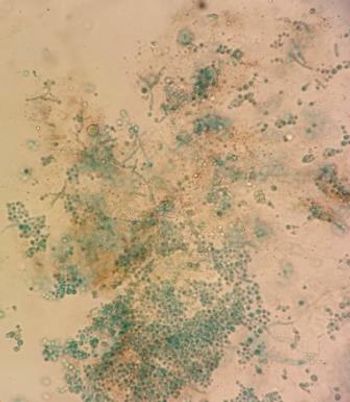
Tinea versicolor presents with hyperpigmented and hypopigmented coalescing thin scaly plaques and macules.Typically they appear on the trunk and the upper back. It is more common in warm humid climates.
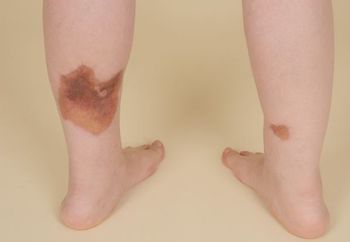
These asymptomatic plaques developed on the legs of a 59-year-old woman with diabetes mellitus and pulmonary sarcoidosis. Biopsy showed a granulomatous infiltrate of epithelioid histiocytes and multinucleated giant cells surrounded by lymphocytes “layered” throughout the dermis. What’s your diagnosis?
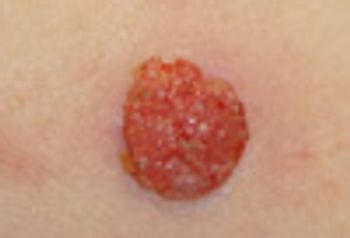
Is this lesion a skin cancer? Does organophosphate poisoning cause syncope? How is tinea pedia complex best treated? Try your hand at this week’s quiz questions.