





























































































































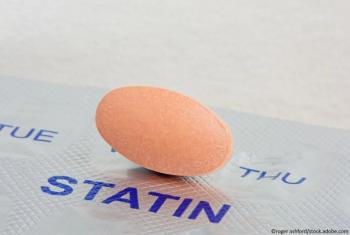
EHRA 2023: Patients with AF who started statins within a year of diagnosis had reduced risks of stroke and TIA compared with those who did not start statins.

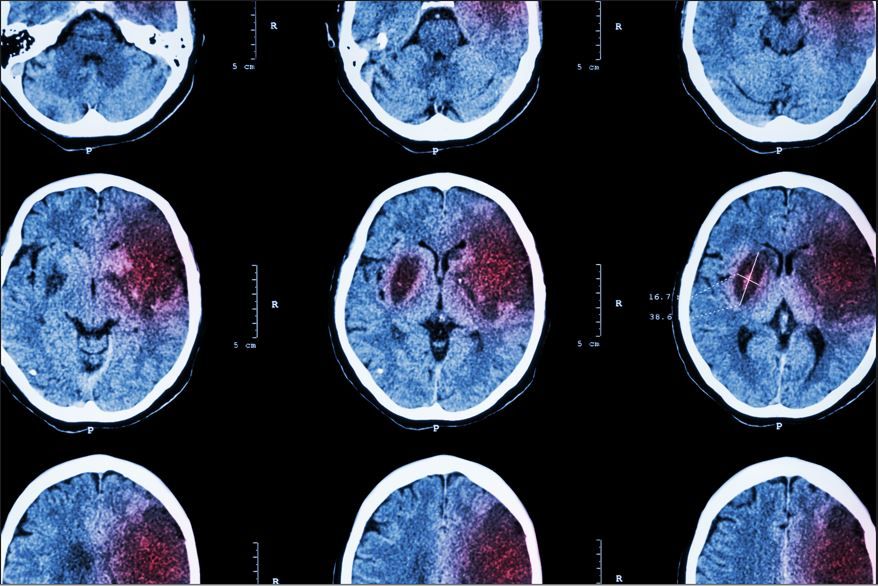
Statin Therapy May be Protective Against Stroke in People with Atrial Fibrillation: New Study
EHRA 2023: Patients with AF who started statins within a year of diagnosis had reduced risks of stroke and TIA compared with those who did not start statins.

Your daily dose of clinical news you may have missed.
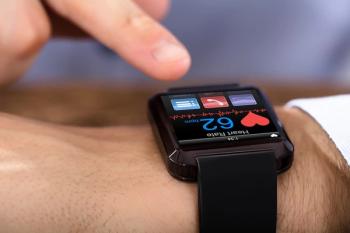
An Apple Watch feature designed to detect atrial fibrillation was associated with a low rate of false-positive detections and high specificity in persons with AF.
Among patients with recently detected AF, early rhythm control improved cardiovascular outcomes in patients of either sex without differences in safety.
Your daily dose of clinical news you may have missed.
Findings elaborate on the pathophysiological differences in autoimmunity and atrial fibrillation risk between men and women.
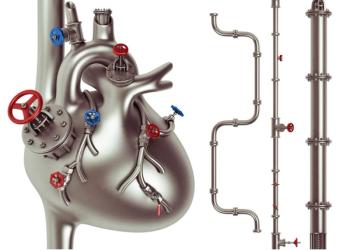
Find a compact sampling of 2022 cardiovascular disease research reviewed on Patient Care, chosen by the editorial staff.

The low rate of stroke prevention with oral anticoagulation in patients with atrial fibrillation is cause for significant concern, say investigators.
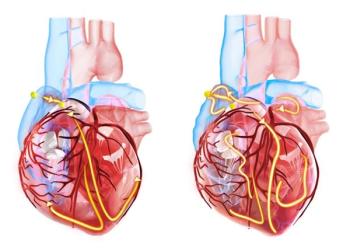
Apixaban was associated with up to a 28% lower risk of GI bleeding vs the 3 other direct oral anticoagulants in the first large-scale comparative analysis.

Black patients were also at significantly increased risk of stroke, bleeding, and mortality vs White patients 1 year following discharge.
Your daily dose of the clinical news you may have missed.
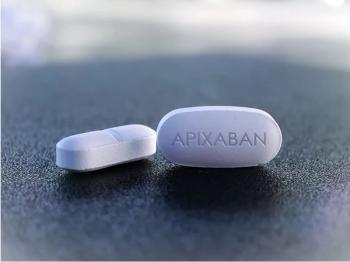
In the absence of randomized controlled head-to-head trials comparing the 2 anticoagulants, study authors say clinicians should consider their findings when choosing treatment.

Adults with migraine with aura were found at significantly greater risk for AF and those younger than age 55 years were particularly vulnerable, write Mayo Clinic investigators.

Approximately one-third of CV-related ED visits are for hypertension-related conditions, including 13% for essential hypertension among women.

An aspirin deprescribing intervention at anticoagulation clinics led to a 50% reduction in use among patients with AF, VTE prescribed warfarin.

Abelacimab is a dual-acting, fully human monoclonal antibody that selectively targets both factor XI and factor XIa with high affinity.
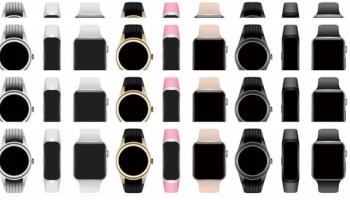
Screening for atrial fibrillation with 6 wrist-worn wearable devices proved more cost effective than no screening and had greater relative benefit than using traditional modalities.
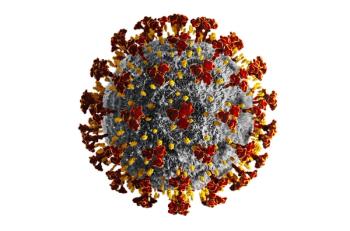
Type 1 diabetes diagnoses increased by 81% during the 4-week acute phase of COVID-19 in UK patients and CVD diagnoses rose 6-fold, according to a large population-based study.
Early rhythm control reduced CV complications regardless of AF pattern but for patients with a first AF diagnosis, risks for hospitalization and ACS were higher after early rhythm therapy.

Called SMART WARS, a new study assessed diagnostic utility of the 2 wearable devices in older adults and considered combined device/clinician interpretation of ECG readings.

Three-quarters of stroke patients in a Swiss registry had at least 1 undiagnosed risk factor at the time of the event, most commonly hyperlipidemia or hypertension.

Apple recently announced a new software release that will allow Apple Watch users access to health care-focused features and apps.
Black patients hospitalized with atrial fibrillation were 25% less likely to receive oral anticoagulants upon discharge according to a large national registry study.

The FDA clearance for the FitBit algorithm will provide another widely tested tool for patient and clinicians to help identify arrhythmias earlier and avoid severe cardiocerebrovascular events.

ACC 2022. A new systematic review suggests skin melanin content may impede accurate recording of heart rate and rhythm by wearable devices.