
























































































































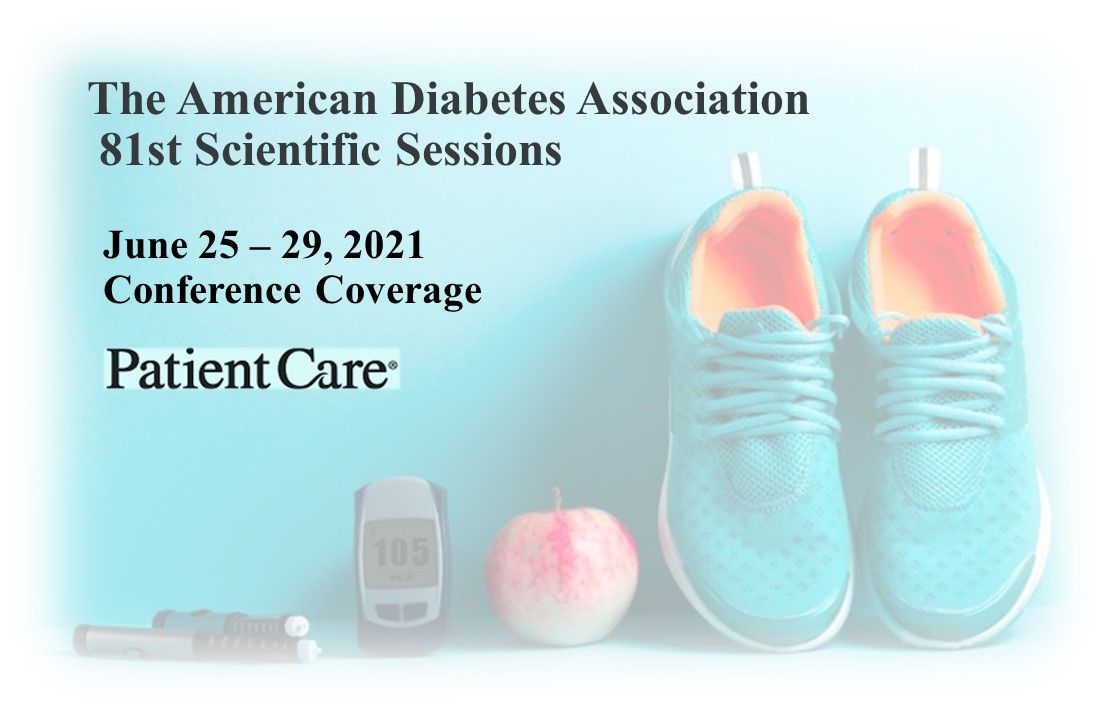
Leading international diabetes researchers and clinicians will use the ADA's 81st annual Scientific Sessions as an ideal classroom to examine pandemic impact on diverse populations with diabetes.
Novel Agent Tirzepatide Superior to Semaglutide in Reducing A1c, Body Weight in Type 2 Diabetes
ADA 2021: Renoprotection with Finerenone Consistent Regardless of SGLT2 Inhibitor Use
Leading international diabetes researchers and clinicians will use the ADA's 81st annual Scientific Sessions as an ideal classroom to examine pandemic impact on diverse populations with diabetes.

The upcoming ADA virtual 81st Scientific Sessions will feature 5 sessions on the latest diabetes developments learned during the initial phases of the COVID-19 pandemic.

The novel Bigfoot Unity Diabetes Management System could help improve insulin dosing in patients with type 1 or type 2 diabetes.

Adults in their 30s and 40s who had high BMI in adolescence were at highest risk for type 2 diabetes and early MI, regardless of adult BMI, after 24 years of follow-up, a new study finds.
The American Diabetes Association 2021 Scientific Sessions run from June 25 to 29. This short slide show highlights 6 clinical trial updates that are a "must see" for primary care clinicians.

MOBILE study lead author Tom Martens, MD, talks about the inherent benefits of CGM for T2D patients on basal insulin treated in primary care and also the challenges to this vision of patient care.
MOBILE study lead author Thomas W. Martens, MD, discusses results of the study which was designed to capture CGM results in real-world primary care practice.
Patients with T2D see significant improvement in glycemic control using continuous glucose monitoring. MOBILE study lead author Thomas W. Martens, MD, highlights the evidence.
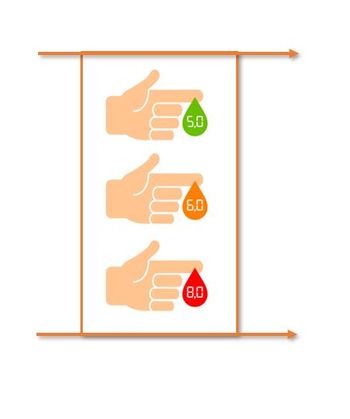
Assessment of prediabetes subphenotypes is a novel approach to better screening, prevention, and treatment for patients at risk of progression to T2D. Find out how much you know about it.

A new study challenges traditional criteria for patient selection for metabolic surgery, demonstrating significant weight loss and disease remission for those with BMI of 30-35.

Analysis of NHANES data shows significant downturns in control of the 3 risk factors in patients with diabetes, which could mean population-level increases in related illness.
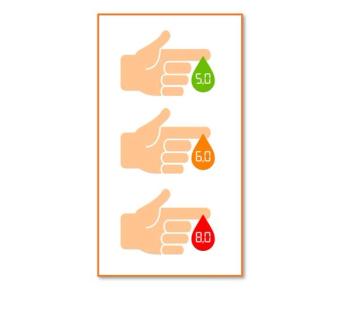
New research proposes pathophysiology-based subphenotyping of individuals at increased risk for T2D; 6 are suggested to help refine screening, prevention, and treatment.

An Australian study of more than 7000 adults suggests 2 servings of whole fruit per day helps preserve insulin sensitivity and mitigate risk for type 2 diabetes.

Semaglutide 2.4 mg is the first drug approved for chronic weight management since 2014 and the first once-weekly GLP-1 receptor agonist to be approved for that purpose.
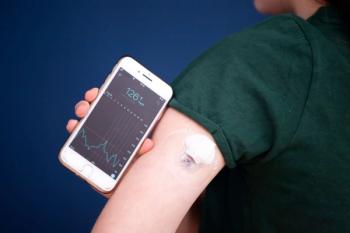
MOBILE study group: in patients with type 2 diabetes on a less intensive insulin regimen, CGM use lowered A1c and increased time in target glucose range vs traditional blood glucose monitoring.

A new study reveals that nearly three-quarters of medication organizer packages contain a drug class from which a single pill could be lethal for a child.
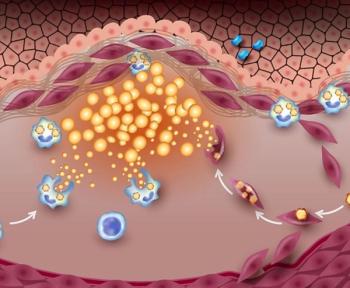
In people without diabetes and considered low risk for CVD, A1c was associated in a graded, positive fashion with subclinical atherosclerosis, even at prediabetes levels.

SGLT-2 inhibitor investigator Mikhail Kosiborod, MD, answers questions about patient selection for the class of drugs, now with approval to treat much more than type 2 diabetes.

The landmark Diabetes Prevention Program (DPP) trial and follow-up studies proved that risk of T2D can be reduced in patients at high risk for the disease. Do you know by how much?
CKD IQ Test Preview: When should you suspect kidney disease? What measure is used to define chronic kidney disease? What UACR test result indicates albuminuria? Good luck.
Mikhail Kosiborod, MD, a lead investigator for clinical trials of SGLT2 inhibitors, traces the class history from antidiabetic agents to guideline-recommended multidisease treatments.

Most patients with chronic kidney disease are treated in primary care where the primary goal is twofold: slow progression and prevent complications. Find essentials of both, here.

New topline data from the global SURPASS-4 trial shows treatment with investigational agent tirzepatide led to superior reductions in A1c and body weight vs insulin glargine.

ACC.2021: A new analysis of FIDELIO-DKD found patients with chronic kidney disease and type 2 diabetes were about 30% less likely to develop atrial fibrillation vs those treated with placebo.

VIDEO: Given the increasing morbidity and mortality associated with fatty liver disease in the US, it should be on the "tip of [your] diagnostic tongue," says Seth Baum, MD. He explains why.