
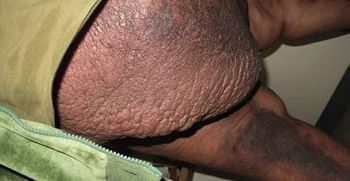
With the recent obesity epidemic, cases of abdominal lipodermatosclerosis are increasingly observed.
With the recent obesity epidemic, cases of abdominal lipodermatosclerosis are increasingly observed.


“Quick, operate before the patient gets better” is one of those jokes surgeons tell among themselves, barely covering a hard truth: that a lot of elective surgery might be unnecessary or even harmful.
The ABIM has certainly lapsed from its self-defined mission of “accountability to both the profession of medicine and to the public.” It will take significant work to gain back the trust of its diplomats.
Bisphosphonates, teriparatide, vitamin D, calcium, raloxifene, vertebroplasty/kyphoplasty: here’s the latest on osteoporosis.

The American College of Physicians Best Practices lay out criteria for when to begin screening, screening intervals, and when to stop.
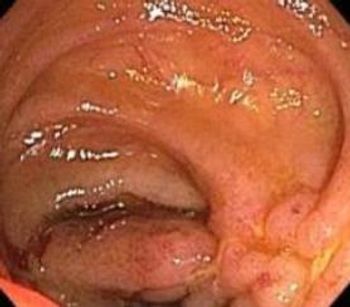
There is a lot of new information about the link between various malignancies and inflammatory bowel disease. Here: answers to 3 key questions.
I’ll admit I was a little nervous to attend the annual American College of Physicians (ACP) meeting this year, what with the MOC snafu and the fall out.

Pamela Wible, MD, will stop taking commercial insurance on 6/1/2015. She gave her patients the option to leave or stay.
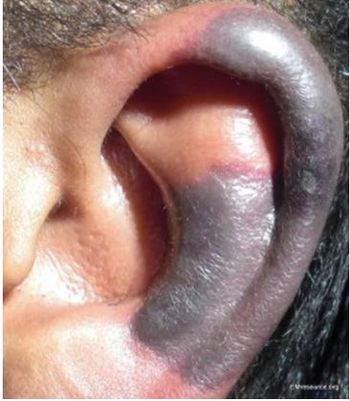
This episode of pain and ecchymotic pigmentation is far more intense than those he's had in the past. Does the patient's history offer clues to etiology?
How would this 34-year-old man become exposed to levamisole?

In your effort to achieve a perfectly healthy body, you wind up hurting your health.
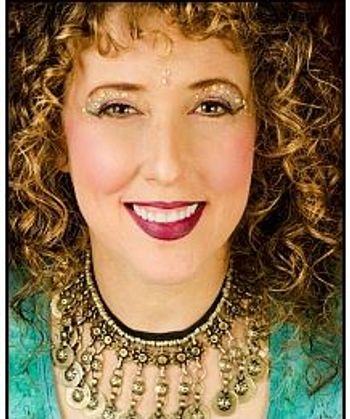
A physician is found dead, an apparent suicide. Other building tenants get the media’s attention-but not because they knew Dr Azkue.
Research shows that pediatricians are at higher risk than other physician groups for financial loss as they transition to ICD-10. Here, 8 areas you can focus on now.
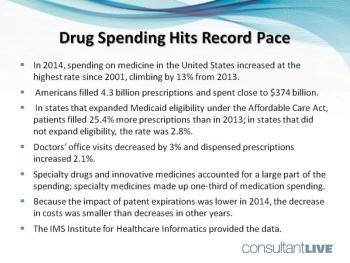
Get highlights in 6 slides of headlines that made news this week: billions spent on medicine; patient myths about opioids; heart and lung health; transparency in research.
A look around the web at breaking news -- not all of it medical.
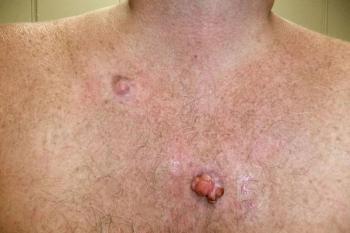
Would Mohs surgery be indicated for this 68-year-old man?

A nasal spray may help men cut calories, a tango-a-day can help keep CVD away, and taking up Spanish or guitar may help a guy remember his anniversary date.

Slang is a window into the healthcare culture, this physician-author says.