Peers & Perspectives

2 experts are featured in this series.

In this Patient Care Online Peers & Perspectives series, a menopause specialist and cardiologist examine the critical intersection of vasomotor symptoms and cardiovascular health, guiding clinicians through the latest evidence on VMS mechanisms, risk assessment, treatment options — including emerging non-hormonal therapies — and practical strategies for delivering coordinated, multidisciplinary care to menopausal women.

2 experts are featured in this series.

This Peers and Perspectives explores the evolving landscape of colorectal cancer (CRC) screening in primary care, with a focus on rising incidence in younger adults and the importance of early detection. Expert panelists discuss how to navigate screening options, including colonoscopy, stool-based tests, and blood-based tests, while addressing common patient questions and misconceptions. Practical strategies are highlighted to help clinicians select appropriate tests, improve screening adherence, and integrate effective workflows into everyday practice.

2 experts are featured in this series.

This discussion will examine current and emerging colorectal cancer screening strategies and explore how these approaches can be practically implemented in real-world clinical practice. They’ll focus on how evidence, patient factors, and operational considerations come together to shape effective colorectal cancer testing protocols.

2 experts in this video

Omar Noor, MD, FAAD and Randy Alevi, DO, discuss the identification and management of atopic dermatitis, with a focus on topical treatment options. They discuss the importance of timely identification of atopic dermatitis in the primary care setting and explore recently approved topical treatment options for mild-to-moderate disease.

Two primary care physicians smile for the camera.

Experts explore the current challenges in cancer detection, emphasizing the limitations of traditional screening methods. They discuss the emerging landscape of multi-cancer early detection tests, their potential to transform cancer screening, and the need for timely integration into patient care while highlighting the importance of real-world data and research in this evolving field.

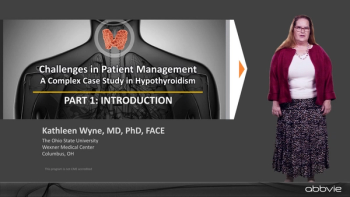
These modules explore various challenges in the management of patients with hypothyroidism including patient compliance and pharmacy issues, impact of concomitant medications, foods, and supplements, assay interference, and thyroid lab tests and considerations. The modules also discuss steps that physicians can take to address some of these challenges in clinical practice.

Program Objectives:

Discuss challenges in the management of hypothyroidism in a patient with comorbid cardiovascular disease who is difficult to manage and address the following:

  • Patient compliance and pharmacy challenges
  • Impact of concomitant medications, foods, and supplements
  • Biotin interference in thyroid function tests

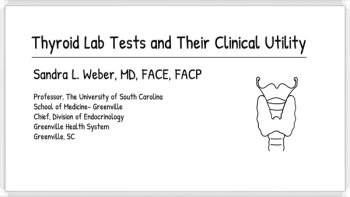
Program Objectives:

  • Review mechanisms involved in normal thyroid hormone synthesis and metabolism
  • Explore various thyroid lab tests and the clinical utility of each
  • Discuss special considerations when interpreting thyroid lab tests