

Women experience greater CR mortality benefits than men yet have 36% lower enrollment. New AHA statement addresses barriers across the care continuum.
Women experience greater CR mortality benefits than men yet have 36% lower enrollment. New AHA statement addresses barriers across the care continuum.

Lisa Larkin, MD, discusses how elinzanetant may change menopause management for women who can’t use hormone therapy and what PCPs need to know.

Colorectal cancer screenings for 45- to 49-year-olds surge nearly tenfold after new guidelines, highlighting significant shifts in public health practices.

Your daily dose of the clinical news you may have missed.

"If you don't know where your keys are, that's fine." Shapiro's memorable analogy helps distinguish perimenopause brain fog from serious cognitive concerns.
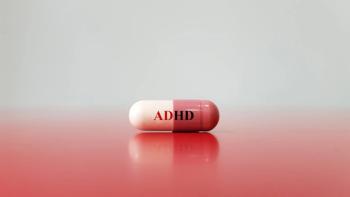
Nonstimulant medications play a crucial role in ADHD treatment, offering effective alternatives for patients intolerant to stimulants or at risk of misuse.

The real-world study of 200,000+ adults found no GI safety differences among 3 GLP-1 drugs for T2D, however SGLT-2 inhibitors are safer for motility issues.

WAYFINDER: 90% of steroid-dependent severe asthma patients reduced to ≤5mg daily on tezepelumab. Well-controlled asthma increased from 3% to 27% at 52 weeks.

Three-biomarker panel independently predicted cardiovascular events over 20 years in European cohort, with highest risk when all 3 were elevated.

A quick quiz covering new research on menopause hormone therapy, Alzheimer risk, tirzepatide weight loss, and estetrol’s cardiovascular safety.

The rate of AF recurrence was reduced significantly and participants also experienced improvements in self-reported AF severity as well as improved cardiometabolic measures.

Genitourinary symptoms of menopause often are ignored--by patients and practitioners alike. Primary care clinicians are in a key position to identify, educate, and initiate treatment.

TMS 2025: Donna Plecha, MD, discusses how primary care physicians should approach breast cancer screening in women with dense breasts and use MRI effectively.

Use of GLP-1 receptor agonists for weight loss has more than doubled since early 2024 while 7.6 million fewer US adults qualify as obese in 2025.


The model predicts 14 different T2D complications that can develop over ~15 years, and models how the disease progresses by predicting change in risk factors over time.

TMS 2025: Cochrane explains the impetus behind 2 studies she has authored on the patient- and provider-level factors that influence MHT prescribing.


One in ten adults report NCGWS, frequently coexisting with IBS, anxiety, or depression, suggesting a central role for the gut-brain axis in pathophysiology.

New research from TMS 2025 covers menopause effects on brain volume, hormone therapy's role in weight loss with GLP-1s, and dense breast screening updates.