




























































































































Find out how effective each of 8 ACC/AHA-recommended non-drug interventions is at reducing BP (in mm Hg) in adults with hypertension and normal BP.
Find out how effective each of 8 ACC/AHA-recommended non-drug interventions is at reducing BP (in mm Hg) in adults with hypertension and normal BP.

Obesity and its causes are the focus of extensive research evaluating new therapeutic targets. Get an at-a-glance update on progress and FDA approvals during 2021

In patients with biopsy-proven NASH, the SPLENDOR study is the first to report a medical modality associated with decreased risk of major adverse events.

Weight bias themes in primary care are the subject of contemporary research. Which options you choose to these 8 questions may offer insight into your own unconscious prejudices.

In our latest podcast episode, an obesity expert talks weight bias in health care, its widespread impact, and the advocacy work that is being done to change the narrative.

Weight bias or stigma in healthcare settings, whether explicit or implicit, may keep patients from getting care. Find a review of the recent literature in this slide show.

Semaglutide 2.4 mg led to clinically significant weight loss and improvements in cardiometabolic risk factors in adults with moderate or severe obesity, suggests new research from ObesityWeek 2021.

The evidence that obesity is pathophysiologic dysfunction in the human body places it squarely in the realm of chronic disease, according to obesity specialist Kaplan. Let’s treat it accordingly.

Primary care leadership is essential to the future of obesity medicine, says Kaplan, but treatment needs to be within the normal scope of primary care practice. Hear him explain.

Recognizing obesity as chronic pathophysiologic dysfunction and explaining that to a patient will make them remarkably more receptive to all other discussions about treatment, says obesity specialist Kaplan.
ObesityWeek 2021. Weight loss with semaglutide was more than 2 times greater than with liraglutide in the 68-week placebo-controlled trial of the 2 GLP-1 RAs.

ObesityWeek 2021: Regular engagement in online behavioral obesity treatment program within primary care network produced clinically significant weight loss in new study.

A clinical psychologist from the Mayo Clinic Bariatric Center in Jacksonville, FL, explains and corrects key misperceptions that inhibit open discussion of the therapy.

ObesityWeek 2021: New study highlights protective effects of medical weight management during COVID-19 pandemic.
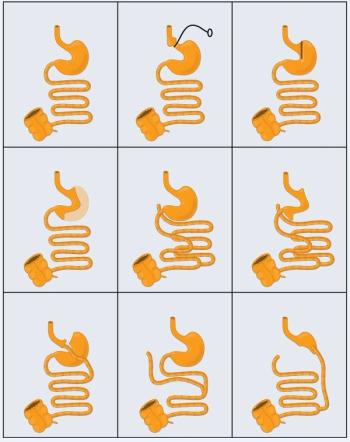
ObesityWeek 2021. Liraglutide helped patients who regained weight after successful gastric bypass surgery re-achieve their lowest weight with an acceptable safety profile.
ObesityWeek 2021: Weight loss support delivered via pandemic-driven telehealth resulted in clinically significant weight loss, report 2 different research teams.
When addressing mental health with patients with obesity, a thoughtful approach that balances psychological health and weight loss is critical, explains Dr Ethan Lazarus.

EASD 2021: Patients with metabolically healthy obesity are nearly 33% more likely to develop heart failure and atrial fibrillation than healthy persons of normal weight, suggests new analysis.

IDWeek 2021: Obesity prevention and vaccination efforts may help prevent COVID-19-related morbidity in pediatric COVID-19 patients with obesity, noted authors of a new study.
EASD 2021: For persons who have had obesity, returning to a healthy weight may reduce risk for hypertension and dyslipidemia, and modestly for diabetes.
More than half of adults in every US state had either overweight or obesity in 2020. This at-a-glance slide show reports more findings from an annual compilation of public data.
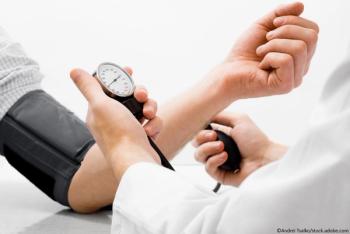
A new AHA scientific statement suggests metabolic surgery and weight-loss medications may reduce the long-term effects of obesity-related hypertension.

Social determinants of health vary between patients living in different environments, so what are the key factors to consider when creating a treatment plan?

The risk of transition from overweight to obesity and to more severe obesity is highest among those aged 18- to 24-years-old, according to analysis of data from more than 2 million EHRs.

Why wouldn't a person with severe obesity want to talk about bariatric surgery? Why wouldn't the patient's physician want to do it? The reasons for hesitation are many.