





























































































































Results of the very few randomized controlled trials that look at how yoga affects symptoms of type 2 diabetes point to no ill but wide uptake of the practice is a stretch.

Results of the very few randomized controlled trials that look at how yoga affects symptoms of type 2 diabetes point to no ill but wide uptake of the practice is a stretch.

For the 30% of people with T2DM who are unable to achieve target A1C values through intensification of injected insulin therapy, a new study suggests the answer may be "yes."
Discoid lupus erythematosus; pharmacologic options for “statin-intolerant” patients; treatment of diabetic peripheral neuropathic pain . . . questions on these and other topics in this quiz.
A painful nodule that keeps this woman up at night; treatment options for nonalcoholic fatty liver disease; risk factors for statin adverse effects . . . some of the topics in this 5-question quiz.
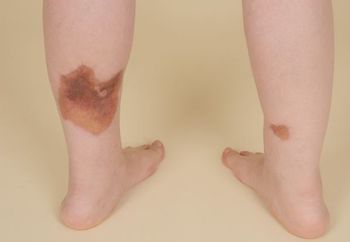
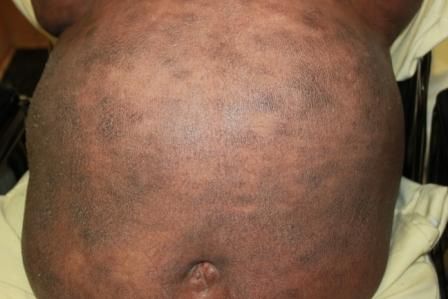
These asymptomatic plaques developed on the legs of a 59-year-old woman with diabetes mellitus and pulmonary sarcoidosis. Biopsy showed a granulomatous infiltrate of epithelioid histiocytes and multinucleated giant cells surrounded by lymphocytes “layered” throughout the dermis. What’s your diagnosis?
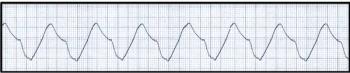
Put yourself to the test: This week’s quiz questions you about skin disease, diabetes, sarcoidosis, atrial flutter, and pain medications.
Patients with NAFLD are at high risk for development of type 2 diabetes and those with diabetes may be at higher risk of dying from NALFD-associated chronic liver disease. Here, options for prevention and treatment.
A systematized, team-based approach to type 2 diabetes management really can reduce vascular complications. In this study, by the Geisinger Health System, it took just 3 years.

Neuroarthropathy, mucormycosis, necrobiosis lipoidica, diabetic myonecrosis, hypertriglyceridemia, papillomatosis, perleche-these visual presentations cover a range of diabetes-related problems.

Conventional wisdom holds that eating more frequent and smaller meals is healthier than the traditional 3 squares. But, a new study finds that fewer and larger may be better for glycemic control in patients with type 2 diabetes.
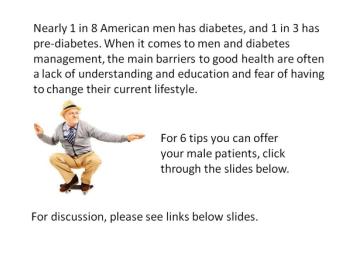
Here: 6 quick health tips (some even inspirational!) you can offer your male patients.
Improvement in overall diet quality lowers the risk of type 2 diabetes, a new study shows. This is independent of other healthful behaviors, including increased physical activity and body weight loss.
New guidelines for the treatment of patients with high cholesterol may, or may not, be appropriate for persons with type 2 diabetes. Here are the pros and cons.
Activation of opioid receptors with novel approaches may prevent hypoglycemia and lead to safer intensive glycemic control, according to a study reported at the American Diabetes Association 74th Scientific Sessions.
The fact that a "Diabetes Is Primary" session is held in parallel to the ADA scientific sessions is a significant recognition by the American Diabetes Association that primary care providers are the foundation of diabetes care in the United States. Highlights here.
Now close to 10% of Americans have this serious disease, according to the CDC, but many don’t even know they have it.
The rate of undiagnosed diabetes mellitus is high in men even though the overall risk is not particularly high. Perhaps it’s because men do not like to talk about health issues.
The use of insulin has grown in recent years largely because of the widespread adoption of analogs. Out-of-pocket expenditures per prescription also increased.
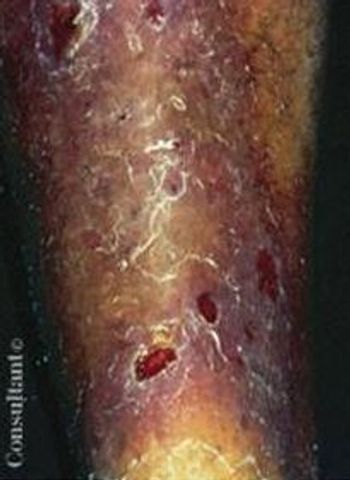
A 50-year-old African American woman with type 2 diabetes mellitus and hypertension was admitted with bilateral knee and thigh pain and swelling of both knees. MRI showed extensive edema in the distal thigh and gastrocnemius muscles and in subcutaneous fat. Fluid was seen at the short head of the left biceps femoris. The findings were consistent with diabetic myonecrosis. Which of the following statements about this condition is/are true?
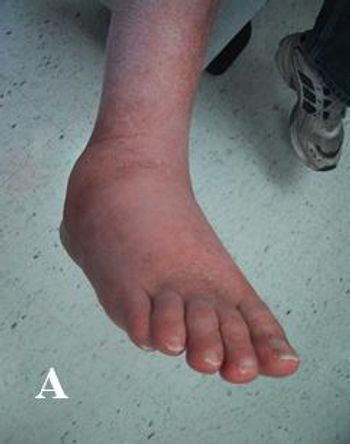
Acute stage Charcot foot is seen in a 55-year-old man with type 2 diabetes mellitus. He has a history of peripheral neuroarthropathy with a 1-week history of a hot, swollen right foot. A radiograph of the foot revealed acute stage Charcot neuroarthropathy.
Remembering the role the patient can play in preventing medication errors is important. Here I focus on potential errors resulting from nonadherence with insulin.
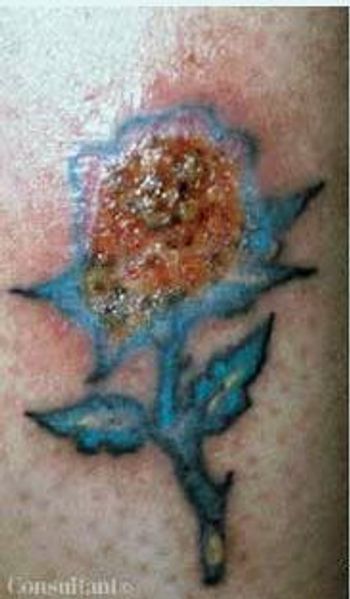
This patient with type 1 diabetes noted a painful erosion at the site of tattoo she had gotten several days earlier. What's the most likely cause?
An extensive meta-analysis calls into question the standard practice of switching from an ACEI to an ARB in patients with type 2 diabetes.
The American Association of Diabetes Educators recommends these talking points.
This 32-year-old woman's family brought her to the ED after 2 days of progressive confusion, fatigue, and weakness. Her multiple medical problems included juvenile-onset diabetes mellitus. Here, more details and a management challenge.