

































































































































































This monomorphic papular rash is unrelated to medications, recent sickness, or exposure to poison oak. It developed about 6 days earlier.
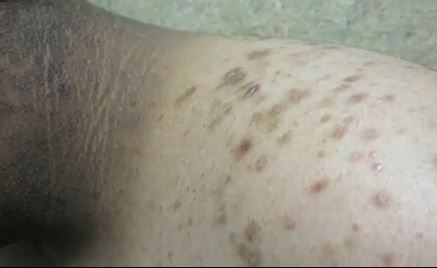
This monomorphic papular rash is unrelated to medications, recent sickness, or exposure to poison oak. It developed about 6 days earlier.
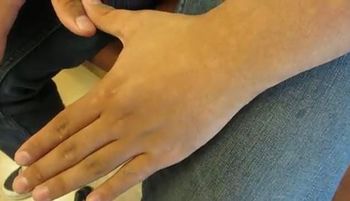
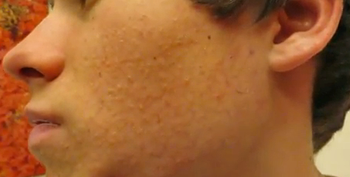
This highly pruritic rash has been present for about 2 weeks. The teen says he believes it is spreading. What's your diagnosis?
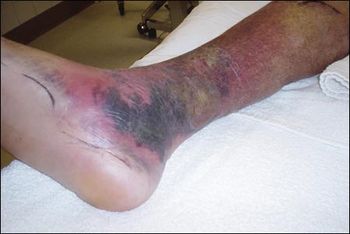
Abrasions, ecchymoses, and a 3-cm laceration led to infection with Morganella morganii. What do you know about this pathogen? In this quiz: questions on wounds that resulted from falls.
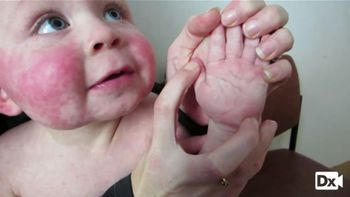
A macular rash has been spreading for 5 days after the cheerful child started amoxicillin therapy. What’s the most likely cause?
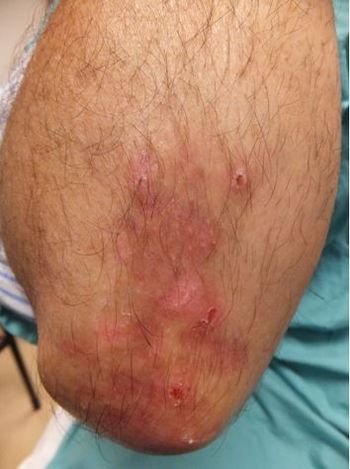
Patients with dermatitis herpetiformis should be referred for consultation with a gastroenterologist for evaluation and follow-up.

This rash began as a small red patch about 10 days earlier while the patient was at wrestling camp.
Does this rash look like impetigo? Herpes? Tinea? Cellulitis? Here's a close look and a link to the answer and discussion.

Drugs, diseases, guidelines, databases-all at the touch of an app. Here: a selection of smartphone/tablet applications that may make your clinical practice a little easier this coming year.
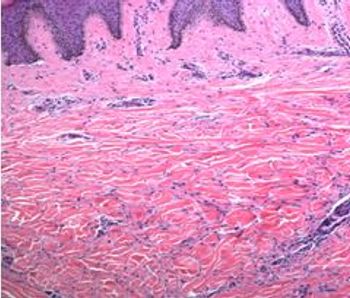
Dermatofibromas may present as papules or nodules that are elevated or slightly depressed. Suspected etiology includes skin injury such as insect bites.
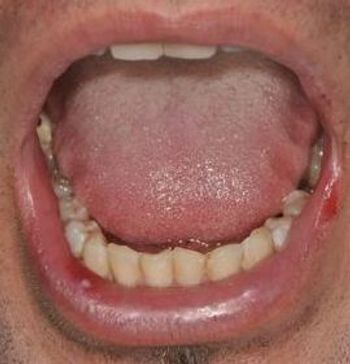
This self-limited albeit recurrent condition is often triggered by antigenic stimuli, including infections, most often HSV, and medications.
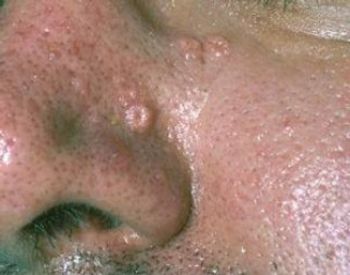
Bumps on the face; opioids and alcohol; dysmorphic facial features in 6-month-old boy . . . questions on these and other topics in this quiz.
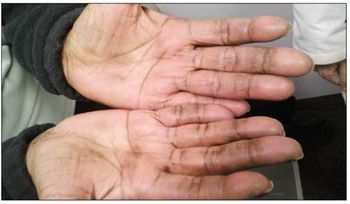
The key diagnostic clue: it looks like she tried to wipe grease off her hands, but didn’t succeed.
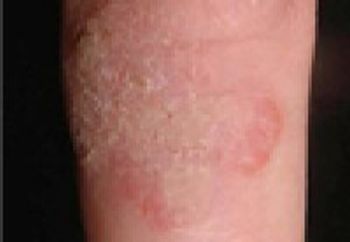
A 58-year-old man asks about this painless lesion on his left third digit. It does not itch, burn, or sting and there are no other similar lesions. He had a history of basal cell carcinoma on the arm and several more recent actinic keratoses on his scalp. What’s your diagnosis?
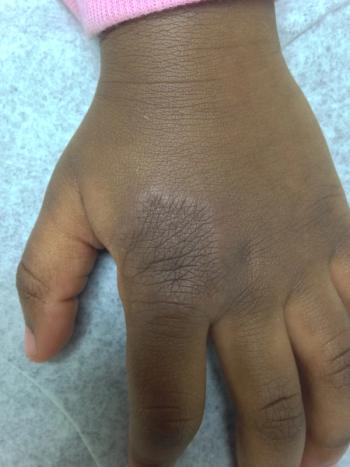
This annular violaceous plaque, which had been present for a few months, was unresponsive to treatment for tinea corporis with topical antifungals. Which of the following statements is true?
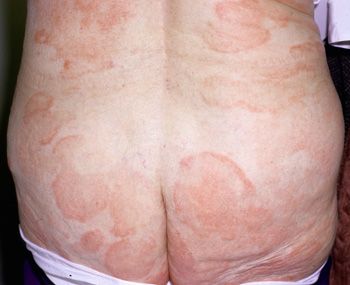
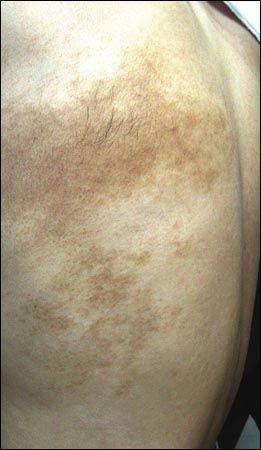
A 66-year-old woman had a mildly pruritic rash on the buttocks, lower back, abdomen, and upper posterior thighs. The eruption had been present for approximately 18 months. Your diagnosis?
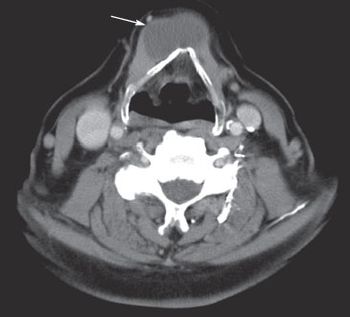
Thyroglossal duct cyst; HCV-HIV coinfection; slurred speech and trouble swallowing and chewing . . . see how well you do on the quiz questions this week.
This relatively uncommon inflammatory dermal process has previously been associated with diabetes mellitus and more recently with hyperlipidemia.
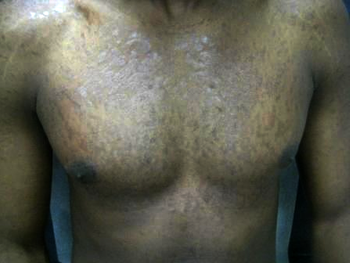
Allergic contact dermatitis, drug-induced hypersensitivity syndrome, Stevens-Johnson syndrome, metastases to the skin, tinea versicolor, lichen spinulosus-a look at cutaneous conditions and their underlying causes.
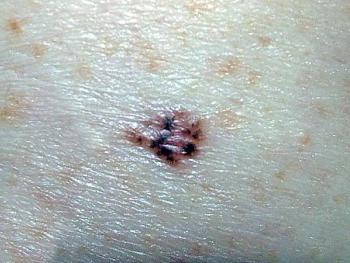
This relatively small (1 cm), pigmented nodule of uncertain duration was noticed on the left arm of a 57-year-old man with a history of skin cancer. What do you suspect here?
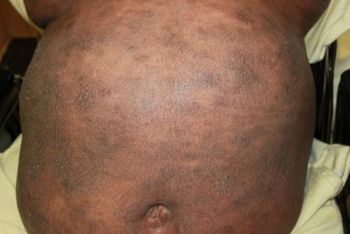
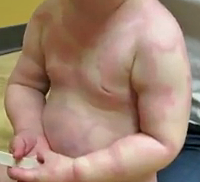
Mycosis fungoides; circumscribed erythematous lesions in a toddler; large abdominal ecchymotic mass . . . some of the challenges for you in this quiz.
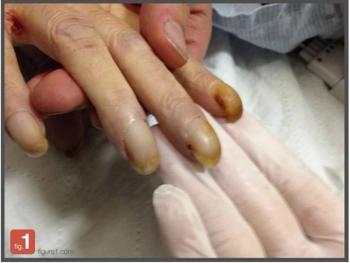
Nail clubbing may occur with many conditions. In these two patients, it heralded lung cancer.
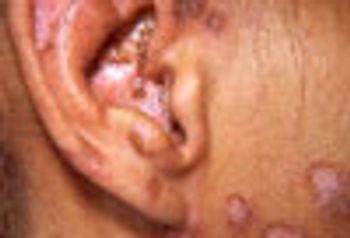
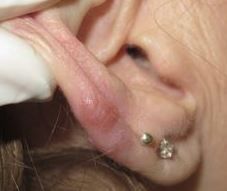
A 23-year-old African American woman had variably shaped areas of atrophy and hypopigmentation on the face and ear. Your diagnosis?
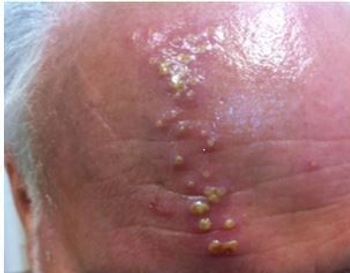
Fluid-filled blisters; necrobiosis lipoidica; gestational diabetes mellitus . . . Test your knowledge on these and other subjects in this quiz.
Fact check on this common disorder…
How much do you know about erythema annulare centrifugum?